
01
Look past the finishes
Finishes are the easiest thing to change later. Focus on what isn't: the lot, the orientation, the floor plan, the ceiling heights, and the structure itself.
- Siting and natural light
- Room proportions and flow
- Window quality and placement
- Garage and storage capacity
02
Ask about the building envelope
Request details on framing, insulation, air sealing, windows, roofing, and HVAC sizing. Ask whether a third-party inspection was done at pre-drywall and whether you can have your own inspector review the finished home.
03
Site and drainage
New landscaping can mask grading problems. Check that the yard slopes away from the house, gutters discharge properly, and the driveway and walks are well drained.
04
Warranty and documentation
Get the builder's warranty in writing, along with permits, final inspection sign-offs, appliance and system warranties, and the recorded HOA documents if applicable.
05
Who builds with this approach
Peters Signature Homes, connected to this site's publisher, is the Peters family's luxury spec building brand. This guide does not claim any current Indian Trail inventory—ask directly about availability.
06
What sets a quality spec home apart
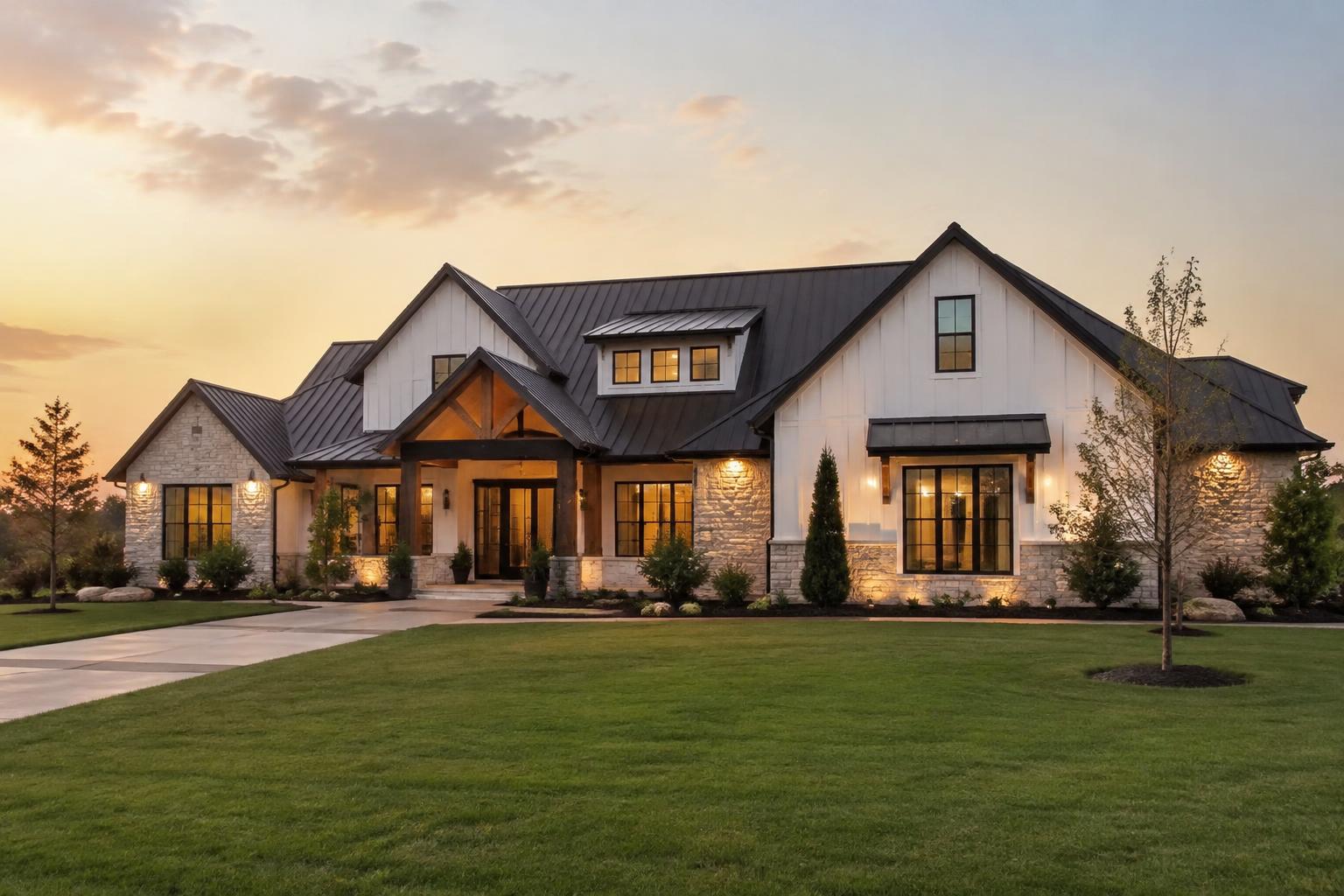
A spec home is built before a buyer is identified. The best ones feel custom: thoughtful floor plans, quality windows and doors, well-designed kitchens, layered lighting and durable materials selected to suit the local climate.
When evaluating a spec home, look past staging to construction details such as flashing, insulation, HVAC sizing and trim quality.
- Plan flow and natural light
- Window, door and roofing quality
- HVAC design and insulation
- Kitchen and bath workmanship
- Pre-wired technology and network
07
Buying before completion
Buying a spec home during construction may allow you to choose some finishes. Clarify in writing which selections remain open, the schedule, and how changes are priced.
An independent inspection before drywall is valuable even on high-quality construction.